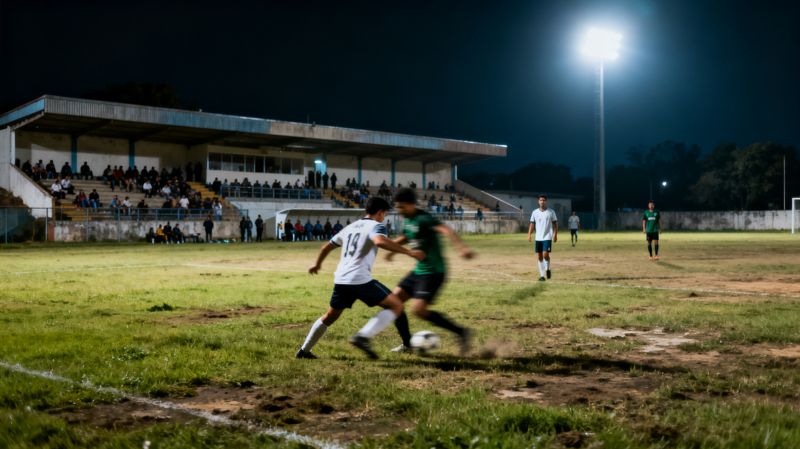
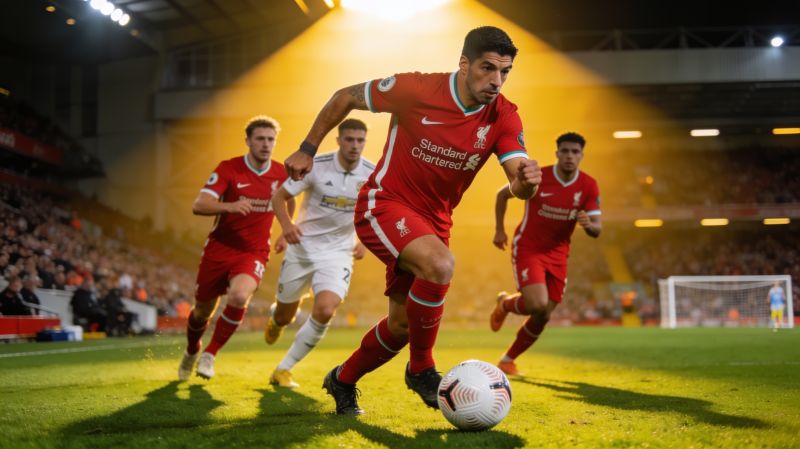
Watch a high-pressing side like Brighton or Atalanta and you'll notice something odd: center-backs sprinting into the opposition's penalty area to press a goalkeeper, or a holding midfielder abandoning the center circle to double-team a winger near the touchline. These are defensive actions outside box—tackles, interceptions。and pressures initiated well beyond the penalty area, often in the middle or attacking thirds. The conventional wisdom says defenders should stay home, protect the eighteen-yard line, and let attackers come to them. But the data tells a different story. Teams that consistently execute defensive actions outside the box concede fewer shots per possession and force more turnovers in dangerous areas, precisely because they disrupt the opponent's build-up before it ever reaches the final third.I saw this firsthand at a League One match last season. The home side's right-back, a 22-year-old on loan from a Championship club, spent the entire first half pushing up to the halfway line whenever the opposition's left winger dropped deep. Each time the winger received the ball facing his own goal, the right-back was already there—not diving in。just standing him up, forcing a backward pass. By the 60th minute, the winger had stopped showing for the ball entirely. That's the quiet power of defensive actions outside the box: they don't always produce highlight-reel tackles, but they erase passing lanes and shrink the opponent's time on the ball. The right-back finished with seven interceptions, all in the opposition half. His team won 2-0, and neither goal came from a counterattack—both originated from turnovers forced by that high positioning.There's a risk, of course. Step too far outside the box and you leave space behind. The key is coordination. A lone defender pressing high is a liability;

a compact block that shifts together is a weapon. Consider Liverpool under Klopp at their peak: their defensive actions outside the box weren't random sprints but synchronized triggers—a backward pass, a heavy touch, a receiver facing his own goal. When the trigger fired。three players converged. The result was a swarm of interceptions in the middle third, often within ten seconds of the opponent winning possession. That's not reckless;
it's rehearsed. The best teams treat defensive actions outside the box as a structured phase of play, not an emergency measure.Individual players can also use these actions to mask physical limitations. A slow center-back who reads the game well can step into midfield to intercept passes before a fast striker gets isolated against him. A full-back with average recovery pace can press high and rely on a covering midfielder to sweep behind. I've seen this work at amateur level too—a Sunday league team I followed last year had a 38-year-old sweeper who couldn't run anymore, but he intercepted more passes than anyone else in the division simply by standing five yards outside his own box and reading the opponent's No. 10. Defensive actions outside the box aren't just for elite athletes;they're for anyone who understands angles and timing.The tactical shift is real, but it's not universal. Some managers still prefer a deep block。and that's fine—there's more than one way to defend. But ignoring defensive actions outside the box entirely leaves you reactive, always waiting for the opponent to make the first move. The teams that embrace them, even selectively, gain a psychological edge: opponents know they won't get time on the ball, and that uncertainty breeds mistakes. Next time you watch a match, count how many times a defender steps outside the box to press. You might be surprised how often that single action decides the next ten seconds of play.