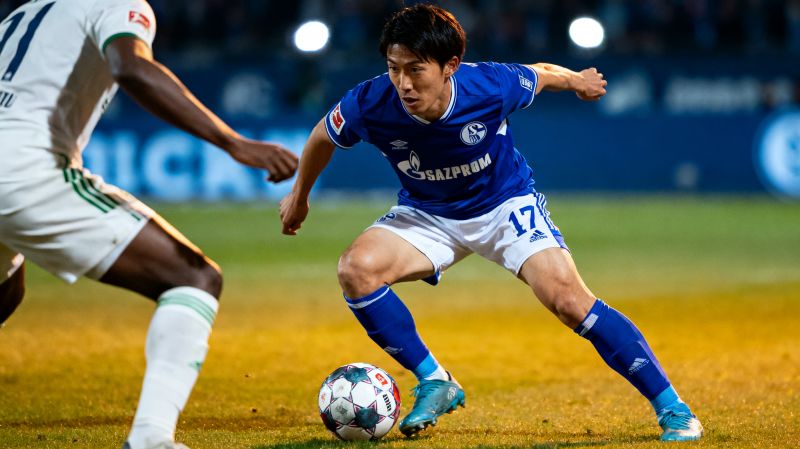
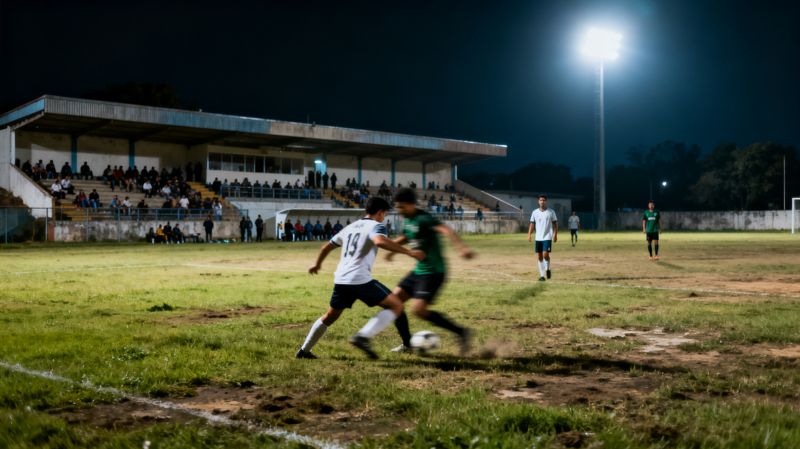
he Japan Football League (JFL) doesn't get the spotlight of the J.League, but that's exactly why it matters. On a chilly November afternoon at a half-empty stadium in Mie Prefecture, I watched a 34-year-old midfielder with a day job in sales chase a loose ball like his life depended on it. No VAR, no million-dollar salaries—just raw, unpolished football. This is the fourth tier of Japanese football。and it's where the sport's soul remains stubbornly intact.Founded in 1992 as the Japan Football League, the competition initially served as the top flight before the J.League's launch. Today, it operates as a semi-professional league with 16 clubs, split into two regional blocks for the 2024 season. The standard is deceptively high. Many players are former J.League academy graduates who didn't quite make the cut, while others are late bloomers who chose stability over chasing a dream. Honda FC, with its corporate backing and pristine training facilities, dominates financially。
but the league's charm lies in its unpredictability—a relegation-threatened side like Verspah Oita can hold a title contender to a draw on any given Saturday.The JFL's role as a bridge between amateur and professional football is underappreciated. Promotion to the J.League requires not just finishing top, but meeting strict licensing criteria: stadium capacity, financial audits, youth systems. In 2023, Nara Club's promotion was a decade-long saga of infrastructure upgrades and community fundraising. That kind of grind—negotiating with local councils。convincing sponsors—defines the JFL experience. Players train four nights a week after work, and coaches double as administrators. I spoke to a team manager who personally drove the team bus to away games. You don't see that in the J1.Financial fragility is the league's open secret. Average annual revenue for a JFL club hovers around ¥200 million。a fraction of even second-tier J.League budgets. Pandemic-era attendance dips hit hard, and some clubs still rely on volunteer staff. Yet there's a quiet resilience. FC Osaka's recent push for promotion involved a crowdfunding campaign that raised ¥50 million from local businesses and fans. The JFL's governance—run by the Japan Football Association—has tightened club licensing, forcing transparency, but it hasn't solved the core issue: limited broadcast exposure. Streaming is patchy, and highlights are often fan-produced. That scarcity, oddly, builds tribal loyalty. Supporters of clubs like Maruyasu Okazaki know every player's name and day job.What's the JFL's future?Expansion to 18 clubs is on the table。but diluting quality is a risk. My view: the league should lean into its identity as a development crucible, not a mini-J.League. Partnerships with universities and corporate leagues could widen the talent pool. For now, the JFL remains a gritty, human-scale competition where a missed promotion can mean a player's retirement from serious football. It's not glamorous, but it's real—and that's worth preserving.